Thompson Creek
Thompson Creek Restoration Solutions
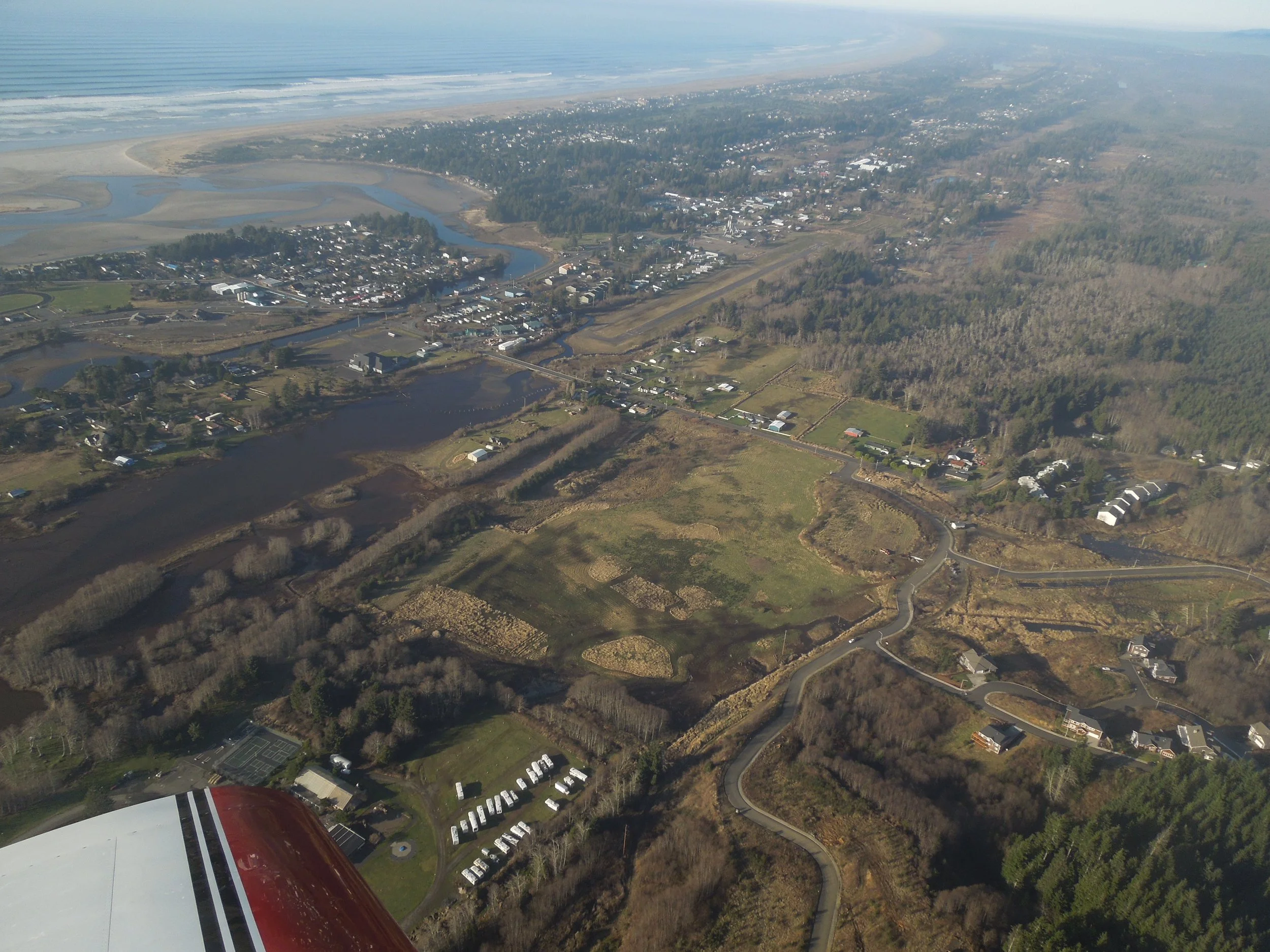
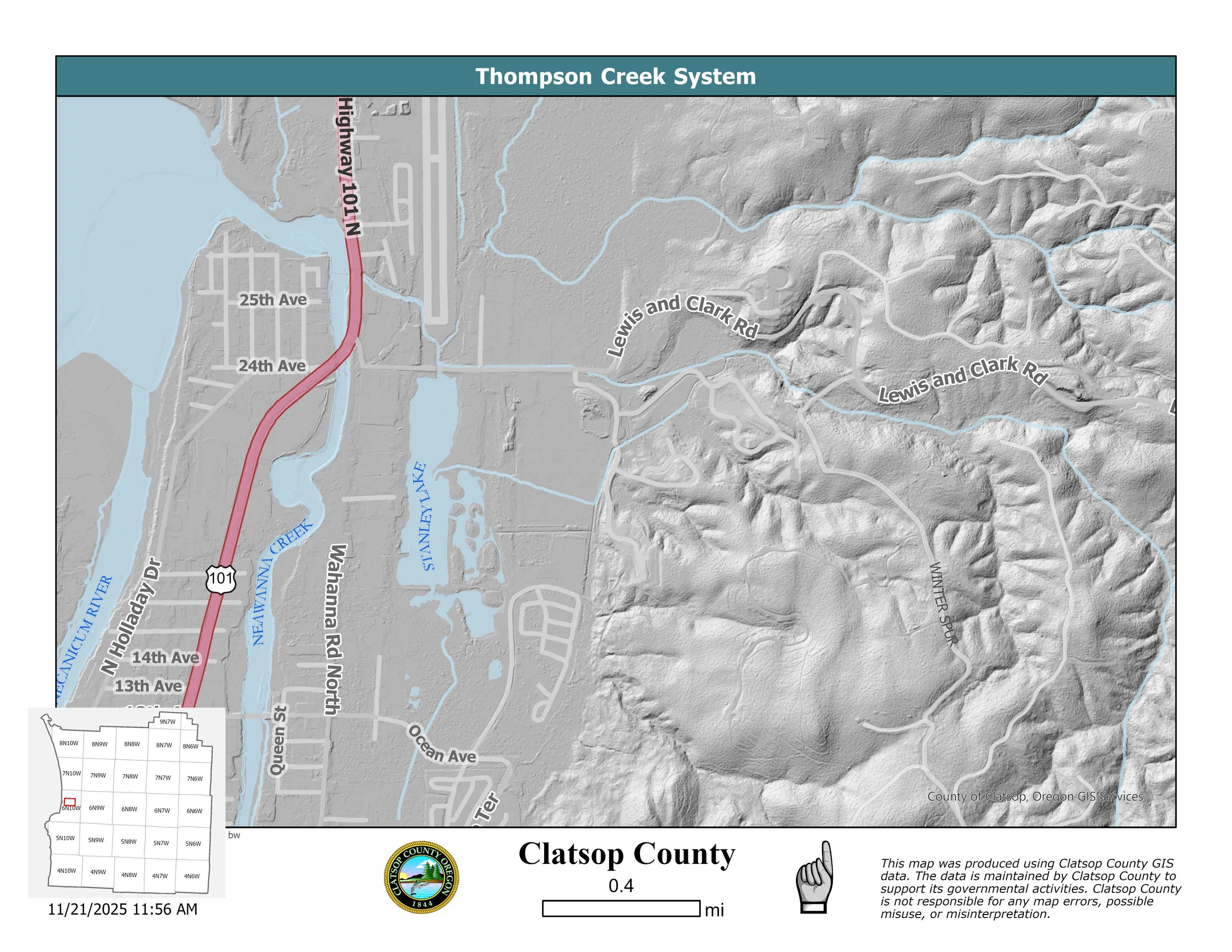
Thompson Creek is one of Seaside’s most productive coho salmon streams. Located in a developed area, lower Thompson Creek has been diverted from its natural path several times. Its current path through a channelized ditch along the Lewis and Clark road has created challenges for salmon and people, from flooding to fish passage and pollutant concerns. NWC is working with North Coast Land Conservancy and Wolf Water Resources to study and review different restoration options that could help restore natural channel flows, floodplain connection, and wetland functions in the Thompson Creek and Stanley Lake area.
Community input is a central part of our alternatives study! If you live in the area we want to hear your input and local knowledge! Please sign up here so we can keep you updated.
Thompson Creek Facts
-
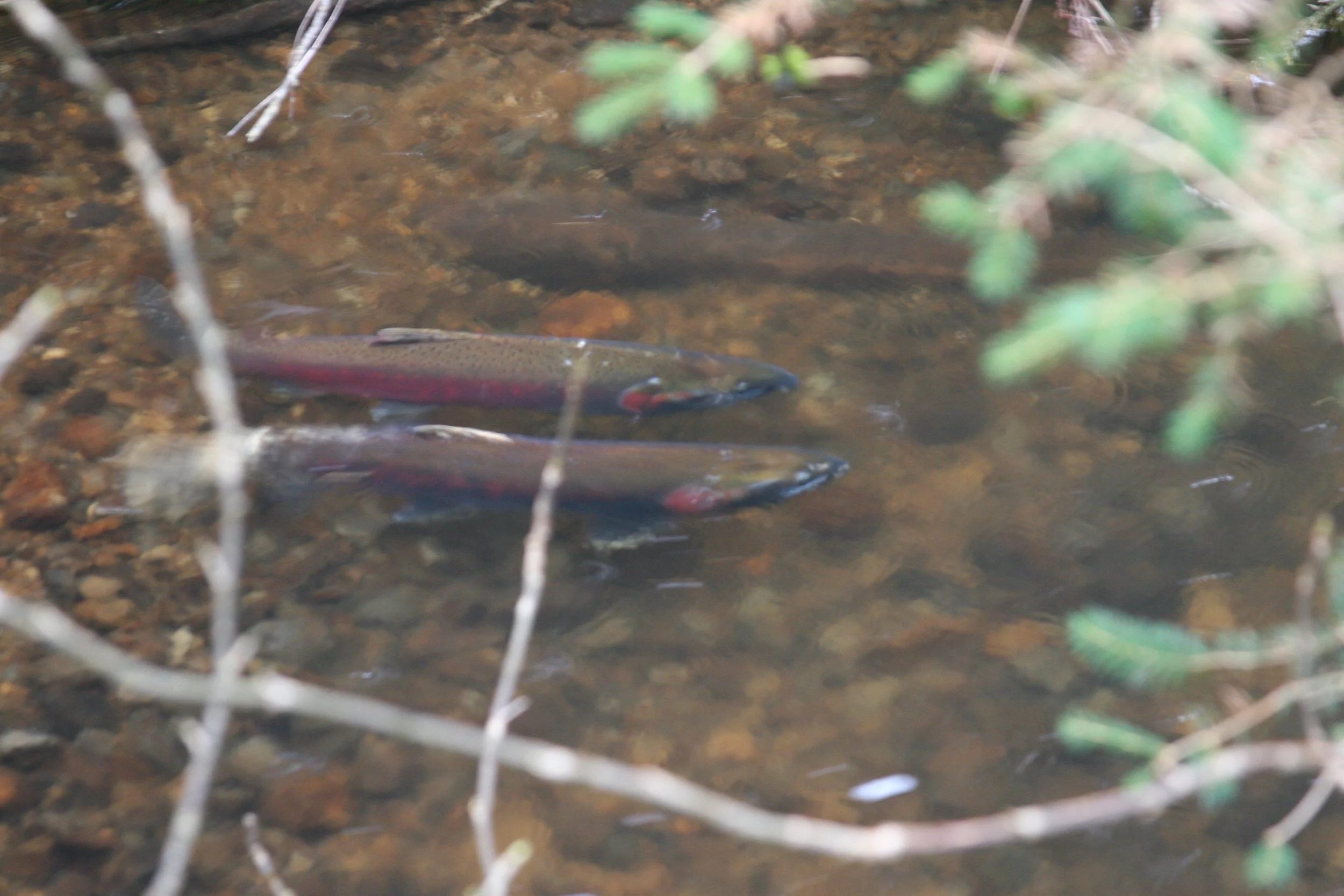
Chockfull of Coho
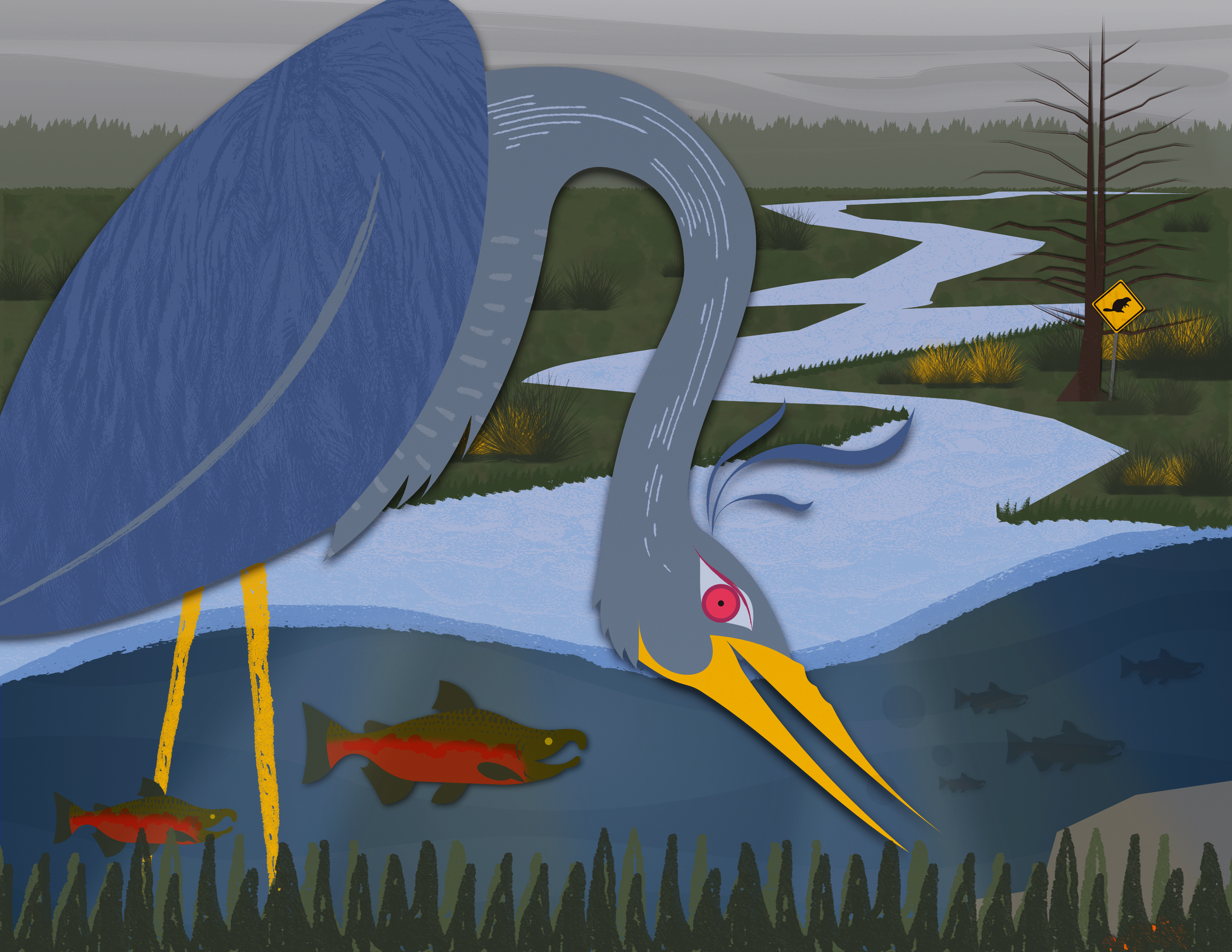
Thompson Creek is a highly productive coho stream, with up to 200 individuals observed in a single spawning season. Coho salmon are threatened in Oregon and a keystone species that connect ocean, river and forest ecosystems.
-
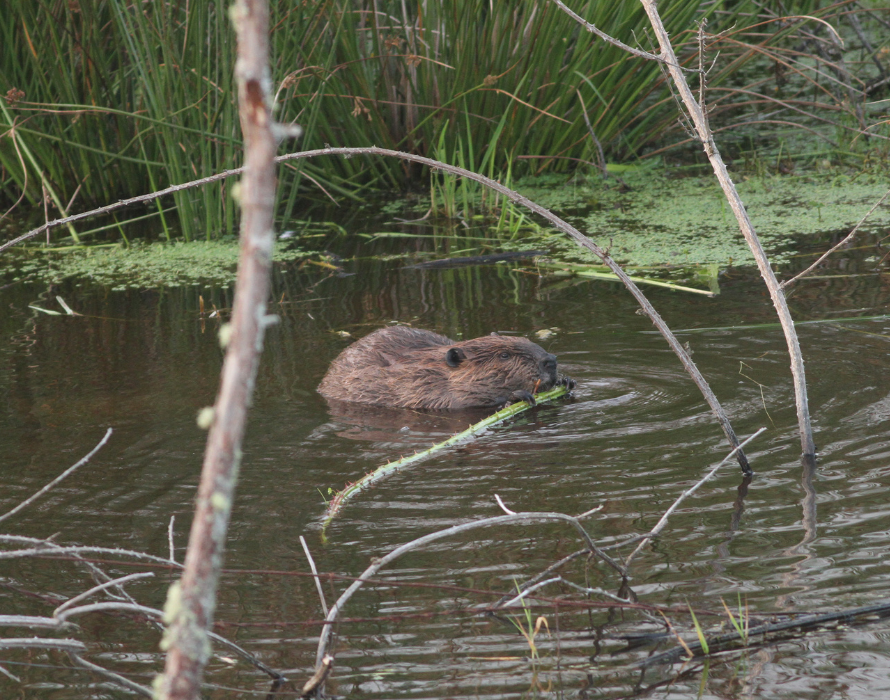
Busy Beavers
Beavers are active in the area and can help naturally restore many of the processes that healthy watersheds depend on. Beaver ponds and dams create critical fish-rearing habitat and refuge, increase water storage to reduce summertime drought, and can lower the intensity of flooding by spreading water across a larger area.
-
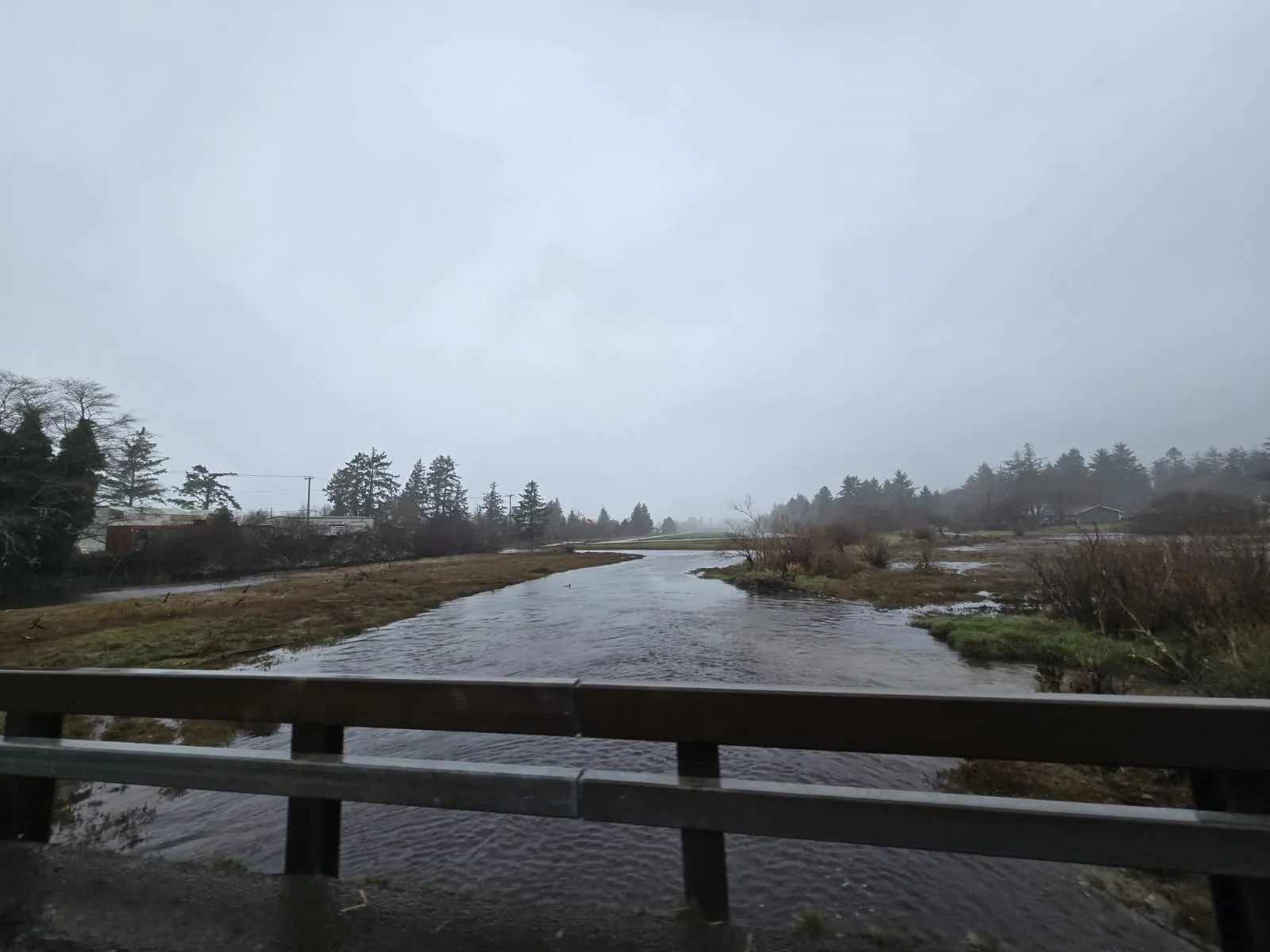
Connectivity
Thompson Creek historically flowed through Stanley Lake before entering the Neawanna, offering the benefits of an estuarine marsh habitat and additional flood control.